Running a pop-up campsite: the 28-day and 60-day rules
How long you can run a pop-up campsite in England and Wales in 2026, what to tell the council, which licences apply and where the rules don’t apply.
Checked and updated 7 minute read
In most of England, you can run a pop-up campsite for tents, motorhomes and campervans for up to 60 days a year, with up to 50 pitches, without applying for planning permission. You must tell your council in writing before you open and provide toilets and waste facilities. The old 28-day rule stopped covering camping in England in July 2024. In Wales, new rules took full effect on 1 September 2026. They allow up to 60 days a year, or 28 days in a National Park, National Landscape or World Heritage Site. You must apply to the council first. You can open if it says no prior approval is needed, or if it doesn’t reply within 28 days. If it asks for prior approval, wait for its written approval. Neither country’s pop-up rules cover touring caravans.
To count your own dates against the limits, use our 60-day rule planner.
England: the 60-day rule (Class BC)
The right is Class BC of Part 4 of the permitted development order. It came in on 26 July 2023 and is still in force. It lets you:
- use land as a recreational campsite for up to 60 days in total in a calendar year
- have up to 50 pitches
- put up moveable structures that are reasonably necessary for the campsite, such as portable toilets
Tents, motorhomes and campervans are allowed. Other caravans are not. The government’s consultation response describes the limit as “up to 50 campervans, motorhomes or tents”.
The conditions
- Provide toilet and waste disposal facilities on site.
- Before you open in each calendar year, write to your local planning authority. Send a site plan showing the toilets, the waste facilities and the dates the site will be in use.
- If your council is not the fire and rescue authority, it must pass your notice to the fire service.
The law sets no minimum notice period, but councils may ask for one. North Norfolk, for example, asks for at least eight weeks.
Give exact dates. The Lake District National Park Authority says a date range is not enough, and that changing dates without telling it makes the use unlawful. Folkestone and Hythe council counts every day your facilities are on site towards the 60, even if nobody is camping.
Flood risk
If the land is in Flood Zone 2 or 3, you need the council’s prior approval before you open each year. You must send a site-specific flood risk assessment that covers warning and evacuation. The council consults the Environment Agency. You can open once you have written approval, or after 56 days with no decision. There may be a fee. Check your zone using the flood map for planning.
Where Class BC does not apply
- a scheduled monument
- a site of special scientific interest (SSSI)
- a listed building or land within its curtilage
- a safety hazard area
- a military explosives storage area
The rules do not exclude National Parks or National Landscapes. The New Forest National Park Authority confirms the right “includes National Parks”. Near protected wildlife sites, the Lake District authority says you may need extra approval first.
The right covers a change of use only. Permanent tracks, hardstanding or buildings need planning permission.
What happened to the 28-day rule in England
Class B still allows land to be used for most purposes for 28 days a year. But a 2023 change removed camping from it, except in connection with a festival. A transitional provision let campsites keep using it until the end of 25 July 2024. Since then, a pop-up campsite in England relies on the 60-day rule.
Wales: what changed in 2026
Wales has its own order. The Town and Country Planning (General Permitted Development) (Amendment) (Wales) Order 2026 was made on 10 March 2026.
- 1 June 2026: a new campsite right, Class BA, started.
- 1 September 2026: camping was removed from the old 28-day right (Class B), except for festivals.
Between June and September, operators could choose either set of rules. The old 28-day camping right has now ended.
Under Class BA you can run a campsite for:
- up to 60 days a calendar year on most land
- up to 28 days a calendar year in a National Park, Area of Outstanding Natural Beauty (National Landscape) or World Heritage Site
There is no pitch limit in the order. Motorhomes are allowed. Other caravans are not.
Where Class BA does not apply
The Welsh list is longer than England’s. It excludes scheduled monuments, SSSIs, listed building sites, special areas of conservation, special protection areas, Ramsar sites, safety hazard areas, military explosives storage areas and Flood Zones 2 and 3. You also cannot camp within 100 metres of a home lived in by someone other than the campsite owner or operator. Using an existing private access way within that distance is allowed.
The process
Before you open each calendar year, apply to the council to ask whether prior approval is needed. Use the Welsh Government form. Your site plan must show:
- the location of pitches and amenities
- toilet and wastewater facilities
- waste disposal facilities
- access from the highway
- the dates the site will be used
The council has 28 days to reply. If it says no approval is needed, or does not reply in time, you can open in line with what you submitted. If it asks for prior approval, you must wait for written approval. The Welsh Government guidance says councils should decide within eight weeks. It also says there is currently no fee.
In 2026, any days you camped under the old 28-day rule count towards the 60-day limit. Near a protected site, you cannot start if the campsite is likely to harm it, even if the council has not replied.
Article 4 directions: when the rights are switched off
An Article 4 direction lets a council or the government remove permitted development rights in a defined area. You then need a full planning application.
- The New Forest National Park Authority removed the 60-day right across the park from 27 October 2023. It kept an exception for sites first used before 1 March 2020 that open for 28 days or fewer a year.
- Pembrokeshire Coast National Park Authority removed the 28-day camping, caravan and mobile home rights from 1 January 2026. A July 2026 report said the camping part would stop having effect on 1 September 2026, when camping moved to Class BA. Officers recommended monitoring the new rules for a year before deciding whether to bring it back. The Authority now tells landowners to use the Welsh process, for up to 28 days. Caravans and mobile homes still need planning permission there.
Always ask your council whether a direction covers your land.
Licences: tents, motorhomes and caravans
Planning permission and site licences are separate.
Tents. Under section 269 of the Public Health Act 1936, you need a council licence if land is used for camping on more than 42 consecutive days, or more than 60 days in any 12 consecutive months. The planning limit runs by calendar year, but the licence limit runs over any 12 months. An autumn season followed by a spring season could cross it. In some areas older local Acts apply instead, so check with your council’s licensing team.
Motorhomes and campervans. The Caravan Sites and Control of Development Act 1960 counts them as caravans. A caravan site needs a site licence unless an exemption applies. A council can only issue a licence where the land has its own planning permission, not just permitted development rights. Ask your licensing team how they treat motorhomes on a 60-day site before you take bookings.
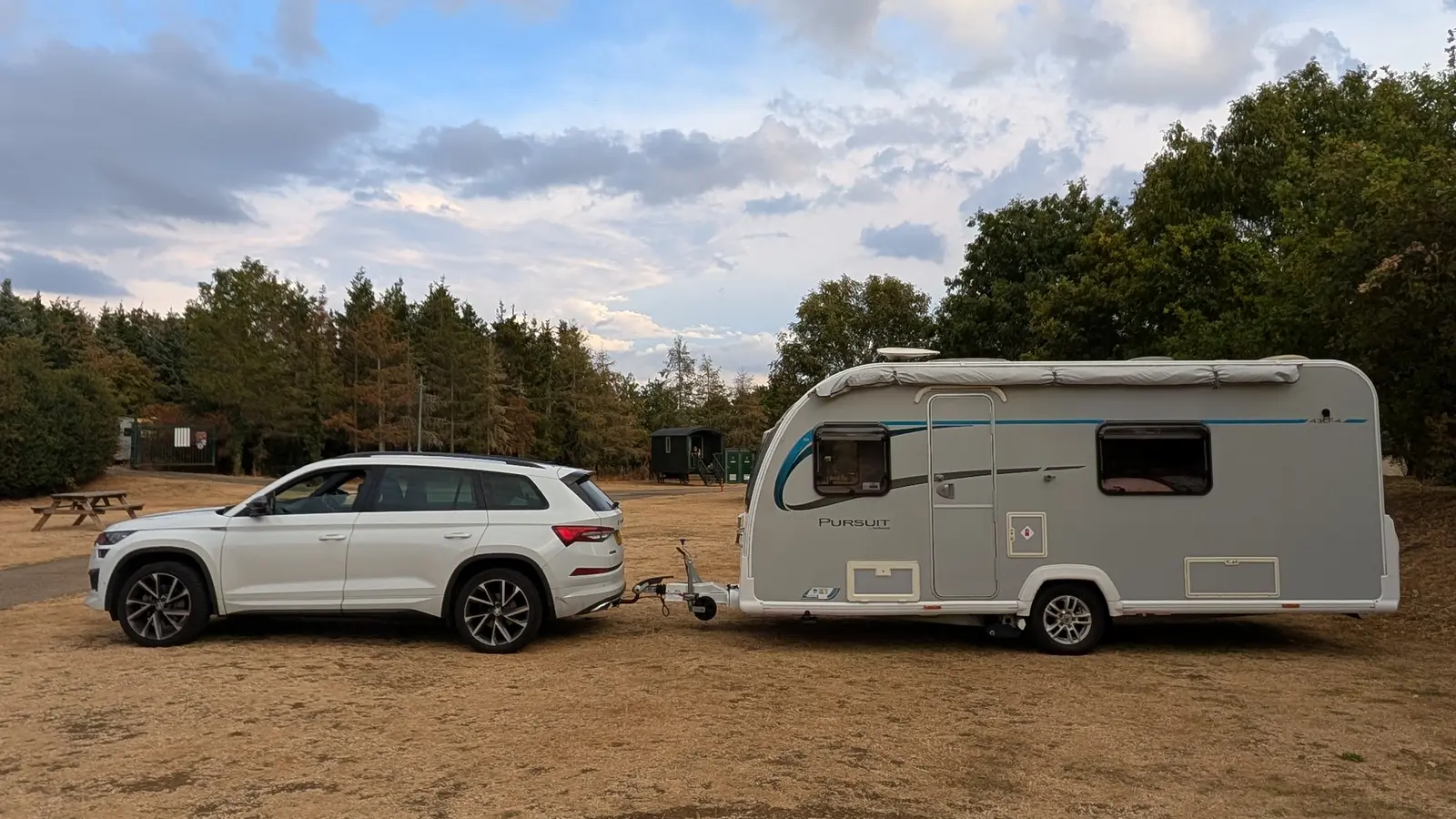
Touring caravans. These need planning permission and a site licence unless they fit an exemption, such as:
- one caravan for up to two nights, if no other caravan is there, and caravans were on the land for no more than 28 days in the past 12 months
- up to three caravans on a holding of five acres or more, for up to 28 days in 12 months
- up to five caravans on a site certificated by an exempted organisation for its members
Other things to sort out
- Food. If you sell or hand out food, register with your council at least 28 days before you start.
- Fire safety. Fire safety law treats tents as premises. The person in control must carry out a fire risk assessment.
- Waste. Use a registered waste carrier and keep waste transfer notes.
- Insurance. Check your farm policy covers paying guests. If you employ staff, employers’ liability insurance is usually a legal requirement.
- Business rates. There is no special rule for pop-ups. The Valuation Office Agency says campsites on farms are rateable if not exempt. For festival sites, the VOA says it is generally repeated or substantial use that makes a site rateable, and the same logic is likely to apply to pop-up campsites.
- Wales only. Campsites must register with the Welsh Revenue Authority by 31 March 2027. It is free, and there is no minimum number of nights.
Scotland and Northern Ireland
Neither uses these rules. Scotland’s own order allows temporary use of land for 28 days a year, but not as a caravan site. Northern Ireland’s order has a similar 28-day right that also excludes caravan sites.
What to do before you open
- Check your land is not in an excluded area or flood zone.
- Ask the council whether an Article 4 direction applies.
- Pick exact dates and count them against the 60-day (or 28-day) limit.
- England: send your written notice and site plan. Wales: submit the form, then wait for the council’s answer or 28 days, and for written approval if it asks for prior approval.
- Ask the licensing team about tent licences and motorhomes.
- Register any food business 28 days ahead.
- Do a fire risk assessment and arrange waste collection.
- Check your insurance.
- Wales: register with the Welsh Revenue Authority.
This guide isn’t legal advice: check with your council’s planning team before you open.