Camping as farm diversification: what it takes, costs and earns (2026)
Adding camping to a farm in 2026: pop-up, CL or CS, glamping or a full campsite, with Defra’s figures, rates, VAT, inheritance tax, SFI and grants.
Checked and updated 8 minute read
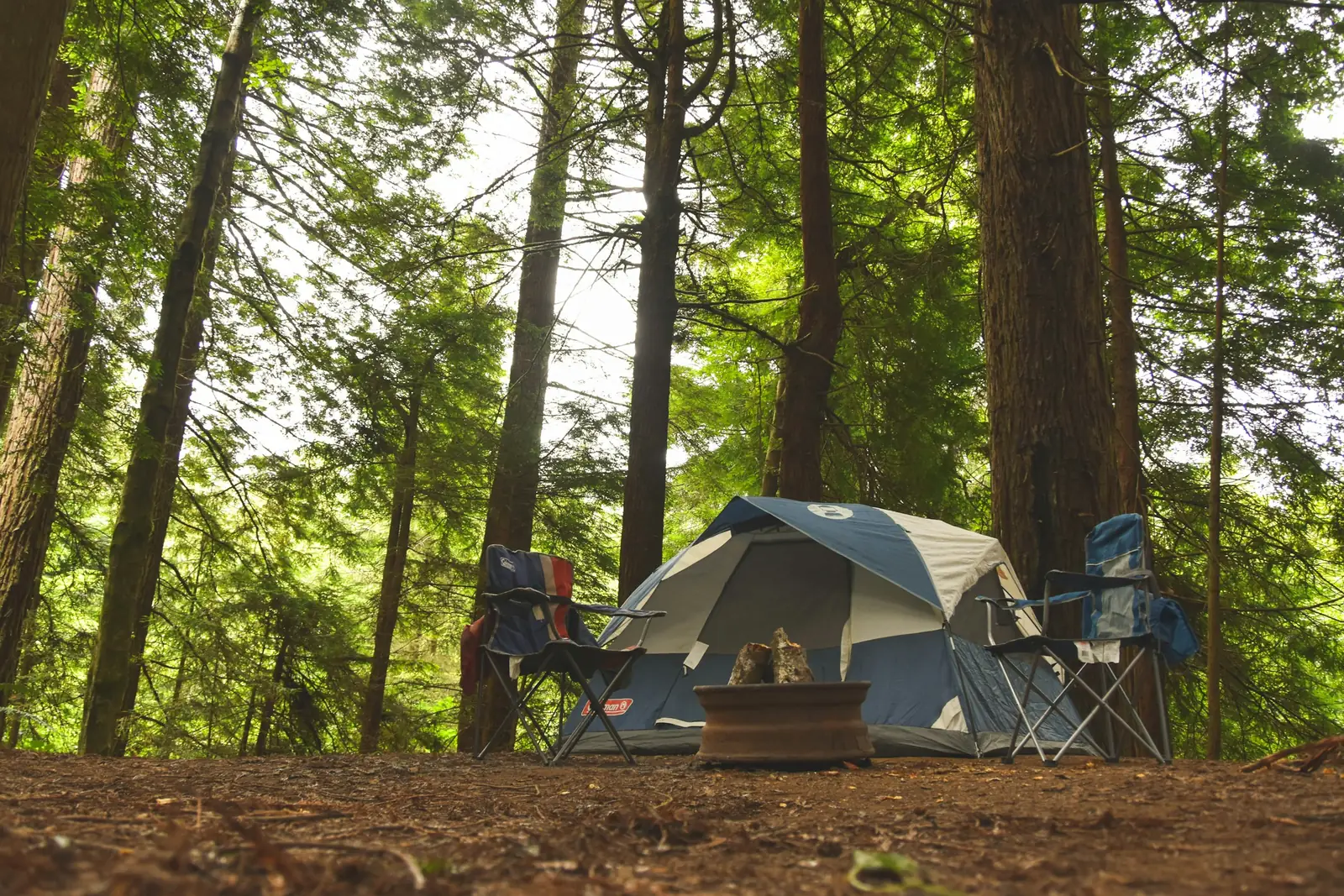
Camping is one of the cheapest ways to diversify a farm. In England, a field can take tents and motorhomes for up to 60 days a year without planning permission, and a small caravan site certificated by one of the camping clubs needs no planning permission or site licence for the use itself. That makes it easy to test demand before you spend much. The catch is that campsite income is treated differently from farming. It can change your business rates, your VAT, your inheritance tax relief and your farm payment agreements. This guide covers the ways in, what Defra’s figures say farms earn from tourism, and what to check before the first guest arrives.
All rules and figures were checked on 31 October 2026. This guide covers England, with notes for Wales. Scotland and Northern Ireland have their own rules. It isn’t tax or legal advice: talk to your accountant, land agent or solicitor about your own farm.
How many farms diversify, and what tourism earns
Defra’s Farm Business Survey for 2024/25, published in May 2026, found:
- 72% of farm businesses in England had some diversified activity, up about 10 points since 2015/16.
- Letting out buildings was the most common, at 50% of farms, followed by solar energy at 27%.
- Farms that diversified made an average of £31,100 from it.
- Tourist accommodation and catering made an average of £8,700 for the farms doing it.
- For 12% of diversified farms, diversification brought in at least as much as their whole farm business income.
Those are averages across very different farms, from a few pitches in summer to holiday parks. What you make depends on your location, your pitches and your season.
Four ways in, from least to most commitment
| Route | What it allows | Planning | More detail |
|---|---|---|---|
| Pop-up campsite | England: up to 60 days a calendar year and 50 pitches, for tents, motorhomes and campervans, not touring caravans. Wales: up to 60 days, or 28 in a National Park, National Landscape or World Heritage Site. | None. You tell the council before you open each year in England, or apply for its decision in Wales. | The 28-day and 60-day rules |
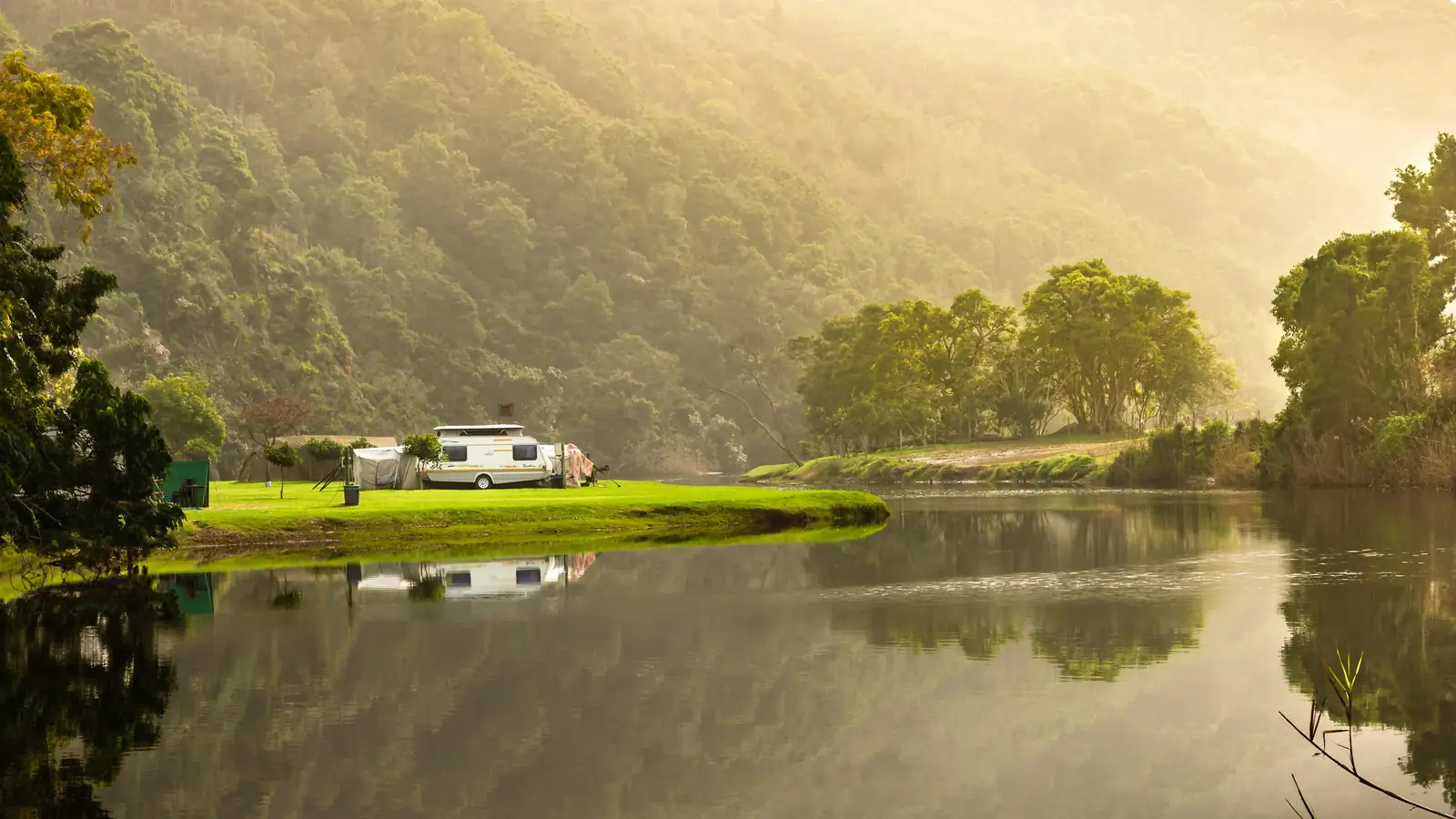
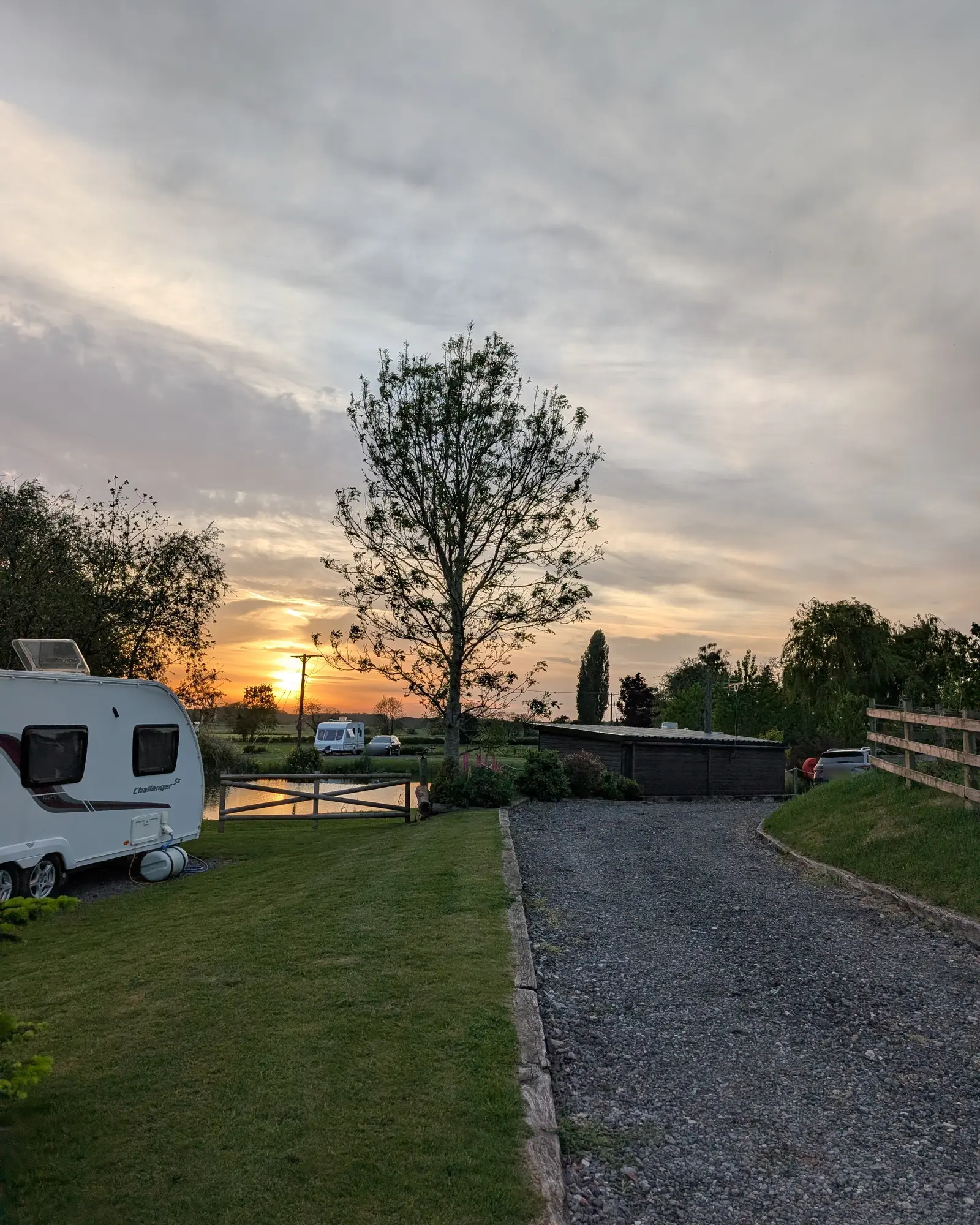
| CL or CS site | Up to five caravans or motorhomes at a time, all year, for one club’s members only. A CS can also take up to 10 tents. | None for the use itself, and no site licence. | Starting a CL or CS site |
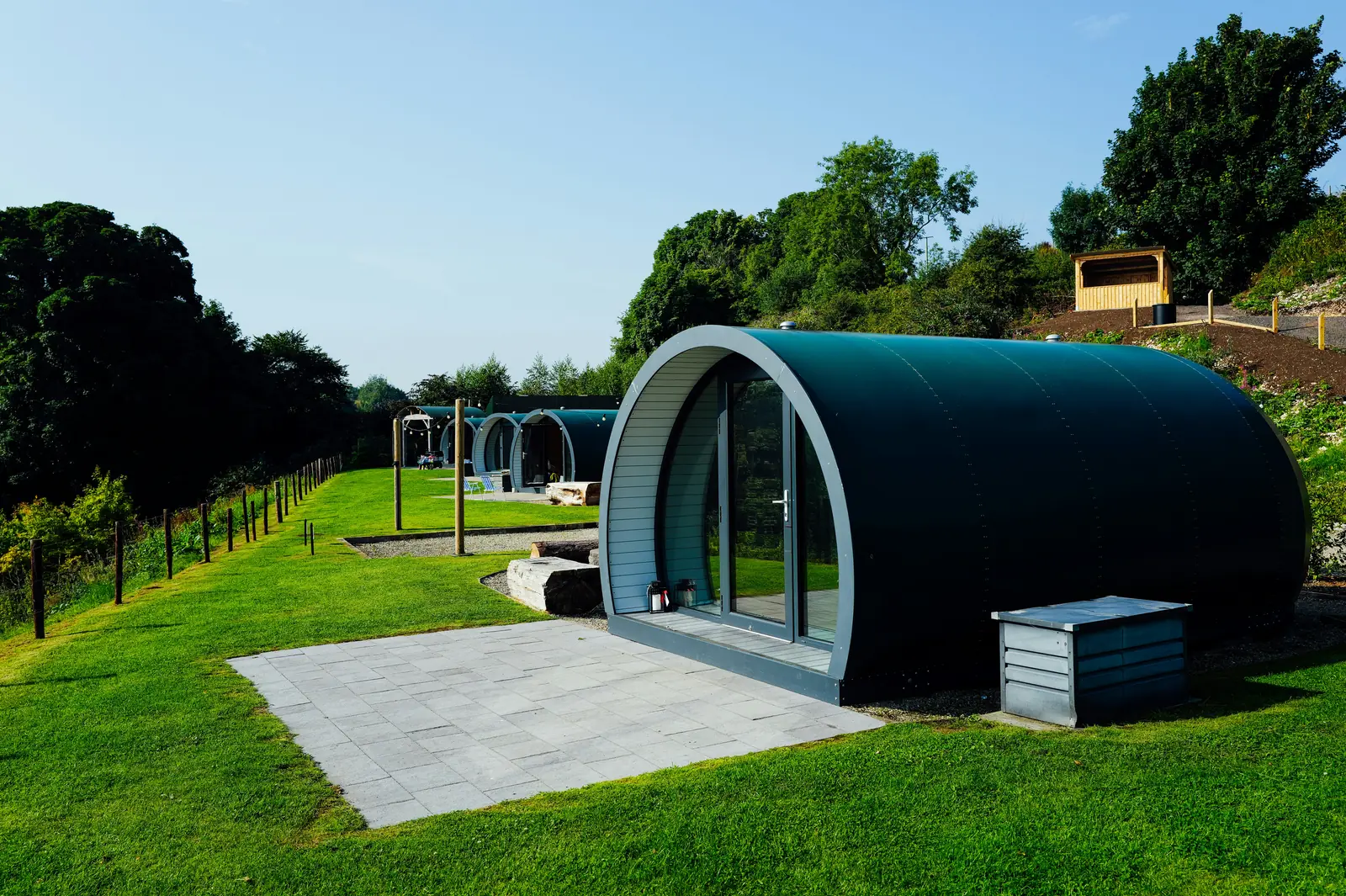
| Glamping | Bell tents, pods, shepherd’s huts or cabins. | Tents can run as a pop-up. Pods and huts usually count as caravans, so they need planning permission and a site licence. | Starting a glamping business |
| Permanent campsite | Whatever your permission allows: pitches, unit types and opening dates. | Planning permission for a change of use, then a site licence for caravans or motorhomes. | How to start a campsite |
Many farms start with a pop-up or a CL or CS to see who comes and what they’ll pay. Then they apply for permission once they know it works.
A worked example
Say you open a pop-up with 10 pitches for the summer holidays, and sell 25 nights on each at £25 a night. That’s 250 pitch-nights, or £6,250 before costs.
Your costs might include toilets and showers (hired or built), water, waste collection, insurance, signs, and your own time on bookings and on site. Our pitch pricing guide has real 2026 prices to compare with. Touring pitches with electric hook-up run from about £30 to over £60 a night, and CLs and CSs charge from about £10 to £25.
To try your own figures, use our campsite income calculator.
How you take the bookings matters as well. If they all came through a booking site taking 15%, £938 of that £6,250 would go in commission. Our guide to what booking sites cost compares the main ones.
Buildings: Class R
If you’d rather convert a barn than open a field, England’s Class R permitted development right lets an agricultural building change to certain commercial uses without a full planning application. Since May 2024:
- It covers up to 1,000 square metres of floor space per farm, up from 500.
- The uses include hotels and guest houses (use class C1), outdoor sport and recreation, shops and cafés (class E), and storage.
- Up to 150 square metres, you just notify the council. Above that, you need its prior approval on transport, noise, contamination and flooding.
- The building must have been used only for agriculture, and listed buildings and scheduled monuments are excluded.
Class R covers buildings, not fields, so it won’t give you a campsite. It could give you a shower block, a farm shop or a café alongside one. Ask your council whether your plans fit before you start work.
Business rates
A field used only for farming is exempt from business rates, but a campsite isn’t farming. The Valuation Office’s guidance on farm diversification says a farm with a non-farm use is usually treated as part exempt, with the non-farm part rated. Repeated or substantial use tends to make a site rateable, while a one-off event is unlikely to.
For glamping, the VOA says that with yurts and tipis only the pitch is rated, not the tent. Pods and treehouses fixed firmly enough to the land are likely to be rated.
In England, a property with a rateable value of £12,000 or less pays nothing under small business rate relief, and relief tapers away up to £15,000. Campsites and caravan parks also count as hospitality from April 2026, which means a lower multiplier when that’s wholly or mainly what the property is used for. Ask your council what applies to you.
VAT
Pitch fees and holiday accommodation, including tents and caravans on a pitch, are standard-rated, according to HMRC’s VAT Notice 709/3. You must register for VAT if your taxable turnover goes over £90,000.
If you use the Agricultural Flat Rate Scheme, HMRC says you can’t stay in it if your non-farming turnover goes over the VAT threshold. You would leave and register for VAT. One option is to run the campsite as a separately owned business. Ask your accountant before the campsite grows that far.
Inheritance tax
From 6 April 2026, agricultural and business property relief give 100% relief on the first £2.5 million of qualifying property, and 50% above that. Unused allowance can pass to a surviving spouse or civil partner.
Land used as a campsite isn’t being used for agriculture. HMRC’s manual says it restricts agricultural relief where part of a property isn’t used for agriculture. Business relief may apply instead, but only to a trading business, not an investment. HMRC says holiday lets generally don’t qualify, and caravan site cases have gone both ways, depending on how actively the site is run. If inheritance tax matters to your family, take advice before you turn land over to camping.
Glamping units and holiday lets
The furnished holiday lettings tax regime ended on 6 April 2025. Its extra reliefs on interest, capital allowances and capital gains are gone. For glamping, the question now is whether you’re running a trade or letting property. HMRC accepts caravan site income as trading where the site is run actively enough. Your accountant can tell you which side you’re on.
Tenancies and farm payment agreements
If you’re a tenant, check your tenancy before you do anything. Most restrict the land to agricultural use. The 2021 regulations that let Agricultural Holdings Act tenants challenge a landlord’s refusal only apply to requests needed for public funding or a legal duty. A campsite usually won’t be covered, so you’ll need your landlord’s consent.
If you have an SFI or Countryside Stewardship agreement, the SFI terms say you must tell the Rural Payments Agency about changes to your land as soon as reasonably practicable, and taking land out of an agreement is not usually allowed. Countryside Stewardship Higher Tier excludes permanent caravan sites as developed land. There’s no official guidance on seasonal camping on land under an agreement, so ask the RPA before putting campers on a field in one, or choose a field that isn’t.
Delinked payments, which replaced the Basic Payment Scheme, end after 2027, and are already cut to at most about £600 for 2026 and 2027. It’s one reason so many farms are looking for new income.
Grants
There’s not much grant funding for farm tourism in late 2026:
- Farming in Protected Landscapes is open in National Parks and National Landscapes until March 2029, or until the money runs out. Projects must benefit nature, climate, people or place. It can pay all the cost where there’s no commercial gain, but only part of it when the project helps your business. Your local National Park or National Landscape team runs it.
- The Rural England Prosperity Fund, which councils used for some farm diversification projects, was last funded for 2025 to 2026.
- Defra’s equipment grants, such as the Farming Equipment and Technology Fund, are for farming kit, not tourism. Defra says a new grants offer is coming in 2027.
- In Wales, the Agricultural Diversification and Horticulture Scheme is open until 27 November 2026, but it lists tourism and activity projects as ineligible.
Ask your council’s economic development team too. They sometimes know of local funds that aren’t listed nationally.
Taking bookings
Bookings can be as simple as a phone number on a gate sign. Most farm sites end up with a mix:
- Your own website with prices and a way to book. It keeps the most money, because you pay only card fees and your booking system.
- Booking sites such as Pitchup, Hipcamp and Campsites.co.uk, which bring guests who haven’t heard of you, at roughly 12% to 17% of each booking once VAT and card fees are counted.
- Club listings, for a CL or CS. Members find you in the club’s directory and book with you directly.
- Google. A free Business Profile puts you on Google Search and Maps. Our guide to getting more direct bookings covers it.
PootlrHost gives a farm campsite its own website with booking built in, made for small sites. On Pay As You Go there’s no monthly fee: each booking a guest makes online costs £1, and bookings you add yourself are free. Or Pro is £25 a month with no booking fee. Either way, Stripe’s card fee comes off card payments: 1.5% plus 20p on a standard UK card. See what PootlrHost costs, or PootlrHost for small campsites.
Before you start
- Pick a route: pop-up, CL or CS, glamping, or a permanent site.
- If you’re a tenant, get your landlord’s consent in writing.
- Check whether the field is in an SFI or Countryside Stewardship agreement, and ask the RPA if it is.
- Check the field isn’t in a flood zone, and whether an Article 4 direction removes the pop-up right.
- Ask the council’s planning and licensing teams what you need.
- Sort out drinking water, toilets, waste and access.
- Get insurance that covers paying guests: a farm policy may not.
- Ask your accountant about VAT, business rates and inheritance tax before you start, not after.