How to start a glamping business in the UK (2026)
How to start a glamping business in 2026: planning for bell tents, pods and shepherd’s huts, site licences, safety, pricing and what booking sites charge.
Checked and updated 7 minute read
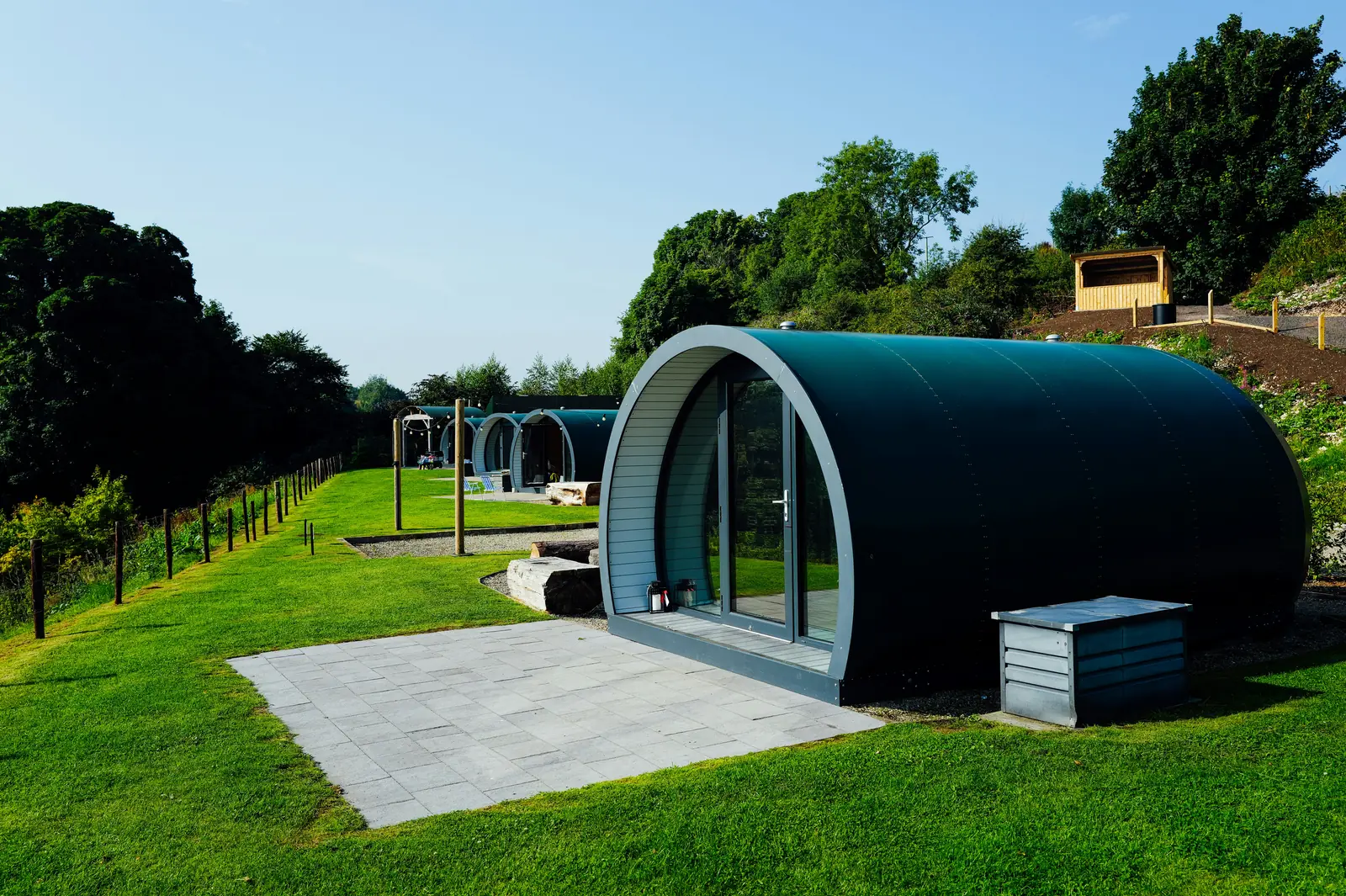
Glamping means guests stay in something you provide: a bell tent, a yurt, a pod or a shepherd’s hut. That changes the rules. Tents can often go up under the same permitted development rights as a pop-up campsite. Pods and shepherd’s huts usually count as caravans in law, so they need planning permission and a council site licence, and they can’t use England’s 60-day pop-up right. Anything with a fixed base or services needs planning permission too. Once the permissions are clear, the rest is the same as any small holiday business: water, toilets, gas and fire safety, insurance, sensible prices, and a way for guests to book with you directly.
All rules and figures were checked on 25 October 2026. This guide covers England and Wales.
Planning: tents, structures and caravans
Planning Aid England’s advice note puts it plainly: because there are so many kinds of glamping unit, “their legal position varies. Some may constitute uses of land, some buildings, others may be regarded as caravans.”
In practice there are three groups.
Tents: bell tents, and yurts that stay tents. A field of tents can run as a pop-up campsite for up to 60 days a calendar year. In England that’s Class BC, with up to 50 pitches, and it allows “any moveable structure reasonably necessary” for the campsite, such as portable toilets. Wales has its own Class BA. Our pop-up guide covers the notice, the conditions and the places where the rights don’t apply. For a full season, you need planning permission.
Caravans: pods, shepherd’s huts and anything on wheels. The Caravan Sites and Control of Development Act 1960 defines a caravan as “any structure designed or adapted for human habitation which is capable of being moved from one place to another”, whether towed or carried on a trailer. Tents are excluded. Planning Aid England says this typically includes pods and shepherd’s huts. England’s pop-up right doesn’t allow “the siting of any caravan” other than a motorhome, so these need planning permission and a site licence before your first guest. North Yorkshire Council’s holiday site licence conditions list camping pods and shepherd’s huts among the units they cover.
Buildings and works. Decking, a concrete base, a hot tub, a toilet block or a new track are operational development. Planning Aid England says structures that come down in autumn and go back up in spring “will probably be more acceptable in planning terms”.
If you aren’t sure which group your unit falls into, ask the council. You can apply for a lawful development certificate for a formal answer. In England it costs half the full application fee. A planning application for a change of use of land costs £610 in England and £667 in Wales.
A planning permission for holiday accommodation usually comes with conditions. North Yorkshire’s, for example, say units are for holiday use only, mustn’t be anyone’s main home, and that you keep a register of guests’ names and home addresses.
Tents left up all season have their own licence rule. Under section 269 of the Public Health Act 1936, you need a council licence if land is used for camping on more than 42 consecutive days, or more than 60 days in any 12 months.
Choosing your units
Each type suits a different site and season. We haven’t quoted prices because published prices vary widely and change often. Get several quotes, and ask what’s included: delivery, base, insulation, beds, stove, and fitting.
| Unit | In planning terms | What to think about |
|---|---|---|
| Bell tent | A tent | Quick to put up and take down. Canvas needs drying and storing over winter. Best for the warmer months. |
| Yurt | Usually a tent, unless it sits on a permanent base | Roomier and more solid than a bell tent. Often on a timber platform, which may need permission. |
| Pod | Usually a caravan | Weatherproof and can open for more of the year. Needs a site licence and planning permission. |
| Shepherd’s hut | Usually a caravan | On wheels, often with a stove and sometimes a shower. Needs a site licence and planning permission. |
The council looks at the whole scheme, not only the units. Planning Aid England warns that parking, new access points and service blocks can have an “urbanising effect” on a rural site, and asks whether a reception building is “really needed for a site with only three pods”.
Water, toilets, gas and fire
- Toilets and showers. Guests expect them close by. A shepherd’s hut with its own shower needs water in and waste water out. In England, a septic tank or small treatment plant discharging to ground must meet the general binding rules or have a permit.
- Drinking water. A private supply serving guests is regulated by the council. Mid Devon Council says campsites need routine risk assessment and annual sampling.
- Gas. HSE treats rented holiday accommodation, including caravans, like any other let. Gas appliances you provide need a yearly safety check by a Gas Safe registered engineer.
- Fire. The person in control of the site must carry out a fire risk assessment, and fire safety law treats tents as premises. Wood burners, fire pits and the spacing between units belong in it.
- Electricity. If you charge for electricity separately, Ofgem’s maximum resale price rule means you can’t charge more than you pay. It covers holiday accommodation, but not an all-in price with no separate charge for electricity.
Insurance, rates and tax
- Insurance. Look for a policy that names glamping and covers the units themselves, public liability and loss of income. If you employ anyone other than a family member, employers’ liability insurance is a legal requirement.
- Business rates. The Valuation Office says it values a growing number of glamping sites, with pods, domes and treehouses, using a share of their receipts. In England, small business rate relief may reduce the bill.
- VAT. You must register once your VAT taxable turnover is more than £90,000.
- Wales. Register with the Welsh Revenue Authority by 31 March 2027. Where a council charges the visitor levy, glamping pays the higher rate of £1.30 per person per night, children included. At the time of writing, only Cardiff charges it, from 1 April 2027.
Pricing and minimum stays
Glamping is usually priced per unit, per night, for a set number of guests, with a charge for each extra person. Start from your costs: what each unit cost to buy and set up, your running costs, and how many nights you can realistically fill. Then look at what similar places near you charge on the dates you’ll be busiest.
A few habits work well:
- Seasons. A higher price for school holidays and bank holidays, and a lower one for quiet months.
- Weekend minimums. Two nights on Friday and Saturday stops single Saturdays leaving a Friday empty. Three or four nights over bank holiday weekends is common on campsites: Stubcroft Farm asks for three nights over Easter and the May bank holidays and four over August’s.
- Changeover days. Each changeover means cleaning and fresh linen, so short stays cost you more. Some owners set a cleaning fee. If every guest must pay it, it has to be in the price you show.
- Extras. Firewood, breakfast hampers and hot tub sessions are optional, so they can be charged on top.
For worked examples from real price lists, see our pitch pricing guide.
What booking sites charge
Glamping guests often find places on booking sites. Here’s what the main ones publish, from our guide to booking site fees:
| Site | What you pay |
|---|---|
| Airbnb | Most hosts pay a single fee of 15.5%. |
| Hipcamp | 12.5% plus VAT, plus a card fee of 1.4% plus 20p. |
| Canopy & Stars | Not published. |
| Pitchup | 15% including VAT. |
On a £120 night, Airbnb’s single fee is £18.60 and Pitchup’s is £18. A direct booking paid by a standard UK card through Stripe costs 1.5% plus 20p, which is £2.
Taking bookings directly
Booking sites are useful for guests who’ve never heard of you. Repeat guests, and people who find you on Google or social media, can book on your own website. You’ll need:
- clear photos of each unit, inside and out
- what’s included: bedding, towels, a stove, a fridge
- live availability and a price for the dates the guest picks
- online payment, with a deposit or the full amount
- your cancellation policy, in plain words
PootlrHost gives a glamping site its own website with booking built in. Each unit can be its own pitch type, with its own photos, prices and rules. See PootlrHost for glamping sites, or read our guide to getting more direct bookings.
Your first-season checklist
- Ask the council whether your units are tents, caravans or buildings.
- Get planning permission and a site licence if you need them, or plan your pop-up dates.
- Arrange water, toilets, showers and waste.
- Book a Gas Safe engineer for any gas appliances.
- Do a fire risk assessment.
- Insure the units, your liability and your income.
- Wales: register with the Welsh Revenue Authority.
- Set prices, seasons, minimum stays and a cancellation policy.
- Put your website and booking page live, and list on one or two booking sites.
- Keep a register of guests’ names and home addresses if your conditions ask for one.
- Ask every guest for a review after their stay.
This guide isn’t legal advice. Check the current rules with your council before you start.