Seasonal pitches: how to let a pitch for the season
How to let a seasonal pitch: why it can’t be a home, what sites charge in 2026, what the agreement should cover, instalments, and ending an agreement.
Checked and updated 7 minute read
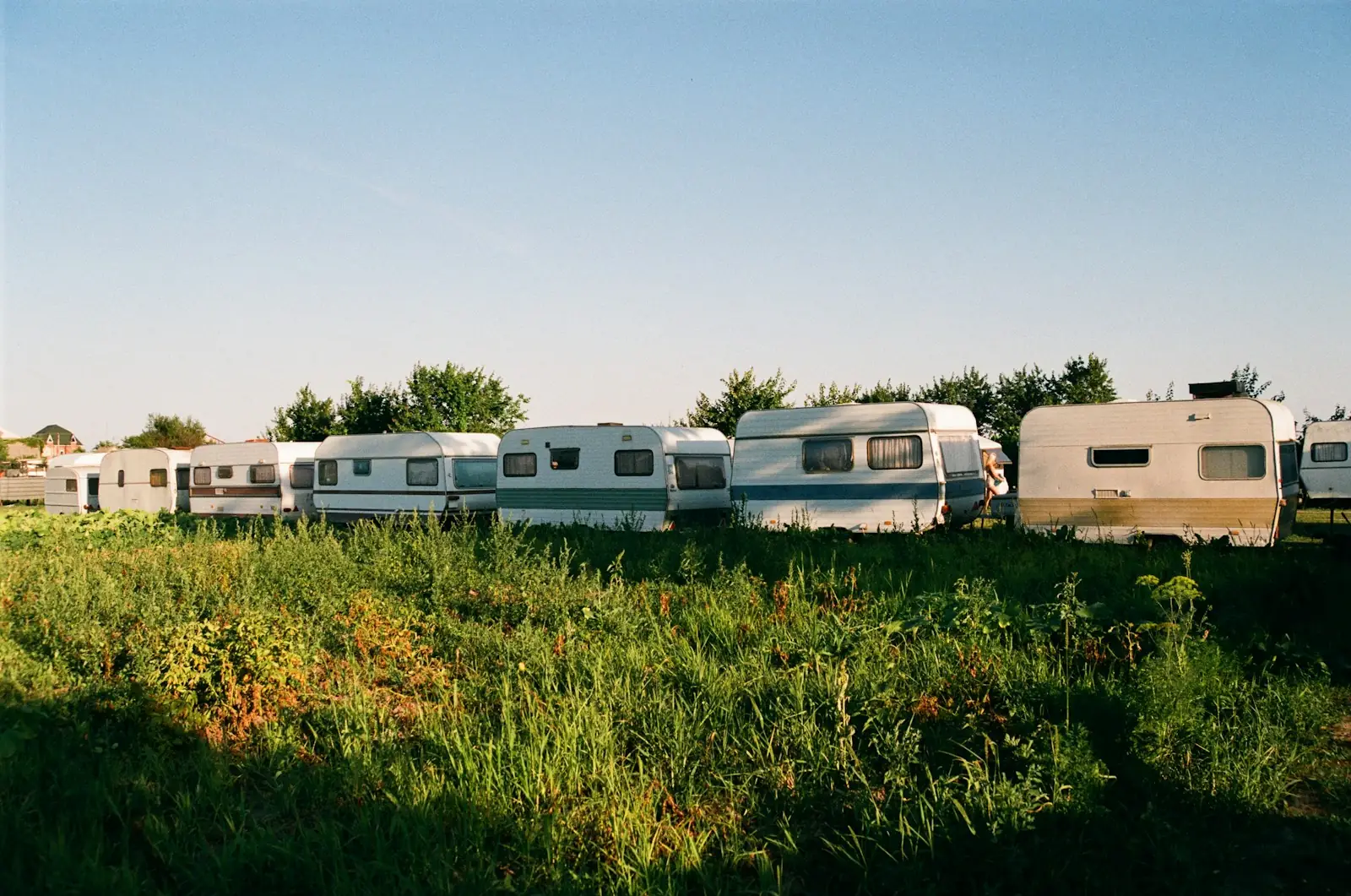
A seasonal pitch is a pitch you let to one guest for the whole season, or a run of months, for an agreed price. Their caravan stays on the pitch and they come and go as they like, within your rules. It gives you a steady income you know about before the season starts, and it gives regulars a holiday base. It isn’t a home. Most holiday sites’ planning permissions and site licences say no one may live there, and the legal protections for park home residents don’t apply. A written agreement should say what the price covers, how it’s paid, what guests can and can’t do, and how either side can end it.
All prices and rules were checked on 25 October 2026.
Who can offer seasonal pitches
You need a site whose planning permission and site licence allow touring caravans to stay for the season.
- CL and CS sites can’t. Both clubs cap stays at 28 days and don’t allow seasonal pitches or caravan storage. Our CL and CS guide has the rules.
- Pop-up sites can’t. The pop-up rights don’t cover touring caravans. See our pop-up guide.
- Permanent sites usually can, but read your conditions first. Some permissions limit how long a caravan can stay, or set a closed season when the site must be empty.
Why a seasonal pitch isn’t a home
Councils attach conditions to stop holiday sites becoming housing. North Yorkshire Council’s conditions for holiday caravan sites are typical. They say that:
- caravans are occupied for holiday purposes only
- they “shall not be occupied as a person’s sole, or main residence”
- the owner keeps an up-to-date register of occupiers’ names and main home addresses, for the council to inspect
The Caravan and Motorhome Club’s seasonal pitch terms say its pitches are for recreational use only, not residential or business use.
The law draws the same line. The Mobile Homes Act protections for park home residents apply to “protected sites”. Under section 1 of the Caravan Sites Act 1968, land isn’t a protected site if its planning permission or site licence is for holiday use only, or if there are times of year when no caravan may be stationed there for people to live in.
So ask every seasonal guest for their home address, keep it on your register, and make holiday use a term of the agreement. If someone seems to be living on site, act early. Your planning permission and licence are at stake.
What sites charge
Seasonal prices vary with location, pitch type, season length and what’s included. These are published 2026 and 2027 prices:
| Site | Season | Price | What’s included |
|---|---|---|---|
| Carnon Downs, Caravan and Motorhome Club, Cornwall | 13 March to 2 November 2026 (234 nights) | £3,695 | See the Club’s terms |
| Lower Wensleydale, Caravan and Motorhome Club | 20 March to 2 November 2026 (227 nights) | £2,775 | See the Club’s terms |
| Moss Wood, Cockerham, Lancashire | 1 March to 31 October 2026 | £3,050 | VAT, water and waste. Electricity metered. |
| Warren Farm, Brean, Somerset | 25 March to 1 November 2026 | £2,328 (grass) to £3,324 (en-suite super pitch) | Water, sewage, rates and VAT. Electricity on pay-as-you-go cards on most pitches. |
| Woodlands, Upper Sheringham, Norfolk | 20 March to 31 October 2027 | £3,590 | Electric pitch, an awning and one car |
Some sites let shorter blocks too. The Caravan and Motorhome Club lists Start Bay at £370 for 34 nights in September and October 2026. Woodlands prices each month separately, from £430 in April and October to £900 in August, with a minimum of three months in a row.
Per night, a seasonal pitch costs far less than a touring stay. Carnon Downs works out at about £16 a night, if the pitch were used every night. That’s the trade: a lower price for a guaranteed income and less work.
If you charge for electricity by meter, Ofgem’s maximum resale price rule applies to holiday accommodation. You can’t charge more than you pay, including a fair share of standing charges.
What the agreement should cover
A written agreement protects both of you. A law firm’s note on holiday park pitch licences says it should cover the pitch fee and other charges, insurance of the caravan, and how and when the agreement ends. It adds that the British Holiday and Home Parks Association gives its members a template.
The Caravan and Motorhome Club’s terms are a useful public example. Between them, these cover:
- The pitch and the dates: which pitch, the first and last day, and whether the caravan can stay over winter.
- The price and what it includes: electricity, water, waste, an awning, a car, and how many people.
- How it’s paid: a deposit, instalments and due dates, and what happens if a payment is late.
- Holiday use only: no living on site, and a home address for your register.
- Who can stay: the named guest and family, and whether friends can use the caravan when the guest isn’t there. The Club’s terms say visitors staying without the member pay touring fees.
- No subletting: the Club’s terms forbid it.
- Safety: for example, the Club asks members to isolate the gas and unplug the hook-up when the caravan is empty overnight.
- Storage: what can be left on the pitch, such as a storage box, and what can’t.
- Insurance: that the guest insures their own caravan and belongings.
- Ending the agreement: notice, grounds and refunds, below.
Seasonal guests are consumers, so the Consumer Rights Act 2015 applies: an unfair term in a consumer contract isn’t binding on the consumer. The CMA’s guidance on unfair contract terms explains what that means. Write terms in plain words, and don’t keep money you haven’t earned.
Deposits and instalments
Asking for the whole season upfront is simple, but not every guest can do it. Common options:
- Pay in full when booking. The Caravan and Motorhome Club asks for payment in full, by card or one Direct Debit, or in four equal monthly Direct Debit instalments. It doesn’t allow an instalment to fall after the pitch’s end date.
- A deposit, then the balance. Woodlands takes a £300 deposit when you book, with the balance due before arrival.
- A deposit, then monthly. Spread the rest over the months before and during the season, and make sure the last payment is due well before the season ends.
Whatever you choose, put the amounts and dates in the agreement, and send a reminder before each one is due.
Ending an agreement
Say in the agreement how either side can end it, and what happens to the money.
The Caravan and Motorhome Club’s terms are an example:
- If the guest cancels before the start date or less than halfway through, they get the unused fees back, less a £100 administration fee. From halfway, there’s no refund.
- If the site closes, the Club aims to give at least eight weeks’ notice in writing, with a refund for the unused time.
- If the guest seriously breaks the terms, including not paying, the Club can end the hire on 14 days’ notice in writing, with no refund.
Also say by when the caravan must be removed at the end, and what happens to anything left behind. Keep a written record of any problems before you end an agreement.
Keeping track of payments
The hardest part of seasonal pitches is often the money: a dozen guests, each on their own plan, some paying by card and some by bank transfer. A spreadsheet works for a few, but it’s easy to miss a late payment.
PootlrHost has seasonal pitches built in. You set the guest, the pitch, the season and the price, then build a payment plan from a deposit and monthly payments. The pitch is booked for the whole season, so it’s taken on your website and on other booking sites for those dates. A week before each payment is due, the guest is emailed a link to pay it by card. Payments by bank transfer or cash can be marked paid. An overdue payment shows in red, and there are no automatic chasers, so following it up is your call. There’s no PootlrHost booking fee on a seasonal pitch, though Stripe’s card fee applies to card payments. The help article has the steps.
Before you offer seasonal pitches
- Read your planning permission and site licence for occupancy conditions and closed seasons.
- Decide which pitches you’ll keep for touring guests.
- Set a season price, and what it includes.
- Decide whether to meter electricity, and price it within Ofgem’s rule.
- Write an agreement covering payment, holiday use, visitors, subletting, safety, storage and ending it.
- Ask for a home address and keep your register up to date.
- Set up a payment plan for each guest, and a way to see who’s paid.
This guide isn’t legal advice. Ask a solicitor to check your agreement before you use it.